The 2027 Guide to Detox and Wellness Cuisine in Lombok Retreats: Organic Ingredients and Local Recipes
The 2027 Guide to Detox and Wellness Cuisine in Lombok Retreats: Organic Ingredients and Local Recipes — practical 2027 guidance for lombok wellness.
 Lombok Wellness Retreat Editorial Desk
7 min read
Lombok Wellness Retreat Editorial Desk
7 min read 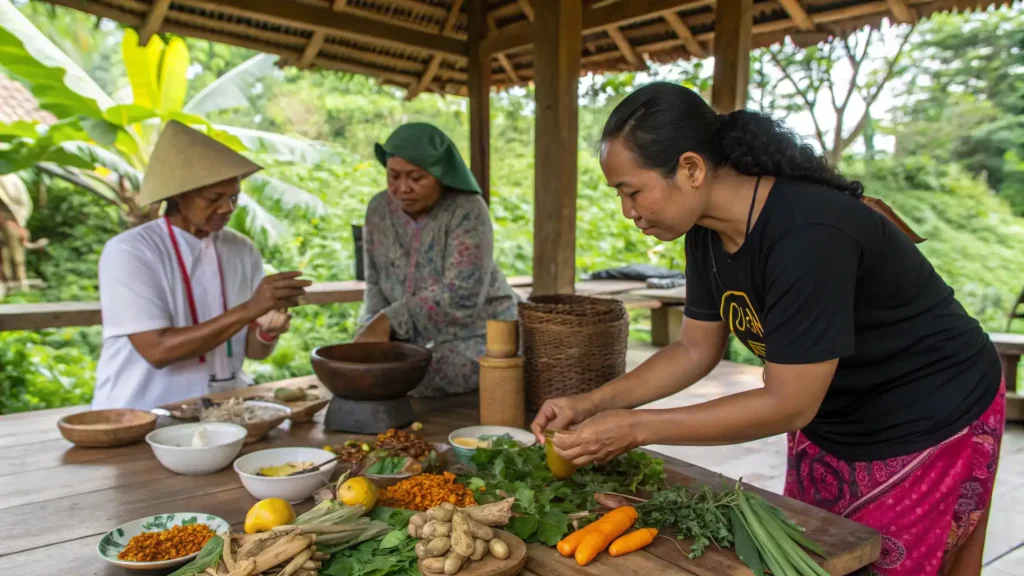
Lombok’s wellness tourism sector is expanding, positioned as a nature-focused, cost-effective alternative to Bali. Indonesia’s medical and wellness tourism market is projected to reach USD 7.9 billion in 2026, growing to USD 20.6 billion by 2035, with wellness tourism accounting for 89.6% of this market in 2025.
The 2027 Guide to Detox and Wellness Cuisine in Lombok Retreats: Organic Ingredients and Local Recipes
Lombok is recognised as a rapidly expanding wellness hub within Indonesia’s growing medical and wellness tourism market. This guide provides an overview of the island’s approach to detox and wellness cuisine, focusing on organic ingredients and traditional local recipes, relevant for 2027 planning and beyond.
Indonesia’s medical and wellness tourism market demonstrates significant growth, projected to be USD 7.9 billion in 2026 and reaching USD 20.6 billion by 2035, with an 11.3% Compound Annual Growth Rate (CAGR) from 2026 to 2035. Wellness tourism, specifically, constitutes a substantial portion, accounting for 89.6% of the market in 2025 and projected to reach USD 18.8 billion by 2035 with an 11.5% CAGR. Key wellness destinations in Indonesia include Bali, Yogyakarta, Lombok, and Ubud, all featuring luxury wellness resorts, spiritual retreats, and eco-therapy experiences.
Lombok’s Position in the Wellness Landscape
While Bali currently dominates the Indonesian wellness segment with established resorts such as Fivelements Retreat, COMO Shambhala Estate, and REVIVO Wellness Resort, Lombok is establishing itself as a distinct destination. It offers a nature-driven, lower-cost alternative to Bali, supported by Special Economic Zone (SEZ) incentives and consistent tourism growth.
Globally, the wellness tourism market was USD 990.4 billion in 2025, projected to grow from USD 1,085.6 billion in 2026 to USD 2,400 billion by 2035, indicating a 9.3% CAGR from 2026 to 2035. The global wellness retreat market, a subset of this, is estimated at USD 273.15 billion in 2026 and is projected to reach USD 398.99 billion in 2030, with a CAGR of 9.9%. The broader wellness economy reached USD 6.8 trillion in 2024 and is expected to grow 7.6% annually to USD 9.8 trillion by 2029.
Lombok’s visitor numbers have shown recovery and growth, from approximately 1.6 million in 2014 to over 3.6 million in 2024, including 0.43 million foreign visitors, despite challenges from the 2018 earthquake and the pandemic. Projections suggest Lombok could reach 2.8 million visitors by 2027, with a target of 5 million visitors by 2030. The island’s strategic focus on infrastructure development, including the Mandalika SEZ and enhanced connectivity via Lombok International Airport, supports this growth. The airport recorded 2.7 million passengers in 2023 and is projected to reach 3.5 million passengers by 2027, with a capacity for 4.5 million. These developments are expected to contribute to a growing slice of the wellness tourism market for Lombok.
The Principles of Detox and Wellness Cuisine in Lombok
Lombok’s approach to wellness cuisine is rooted in its agricultural abundance and cultural heritage. Retreats on the island prioritise fresh, organic, and locally sourced ingredients, aligning with the principles of detoxification and nutritional balance. The emphasis is on whole foods, plant-based options, and traditional cooking methods that preserve nutrient integrity.
Sourcing Organic Ingredients
Lombok’s fertile volcanic soil and tropical climate support the cultivation of a diverse range of organic produce. Wellness retreats collaborate directly with local farmers and communities to source ingredients. This direct sourcing ensures freshness and supports sustainable agricultural practices. Common organic ingredients include:
- Tropical fruits: Papaya, mango, pineapple, rambutan, mangosteen
- Leafy greens: Kangkung (water spinach), bayam (amaranth), various local herbs
- Root vegetables: Cassava, sweet potato, taro
- Spices and herbs: Turmeric, ginger, galangal, lemongrass, chili, kaffir lime
- Legumes and grains: Red rice, black rice, various beans
- Seafood: Sustainably caught fish and shellfish from the surrounding waters
The commitment to organic produce minimises exposure to pesticides and chemicals, which is fundamental to detox programmes. Retreats often feature their own organic gardens, allowing guests to witness the cultivation process and participate in farm-to-table experiences.
Local Recipes Adapted for Wellness
Traditional Sasak cuisine, indigenous to Lombok, forms the foundation of wellness menus. These recipes are adapted to be lighter, less oily, and free from artificial additives, while retaining their authentic flavours and nutritional benefits. The focus is on balanced meals that support digestion, boost immunity, and provide sustained energy.
Key Culinary Adaptations
Adaptations for wellness cuisine include:
- Reduced oil and fat: Grilling, steaming, and blanching methods are preferred over deep-frying.
- Natural sweeteners: Honey, palm sugar, or fruit-based sweeteners replace refined sugars.
- Controlled spice levels: While Sasak cuisine is known for its spiciness, retreats adjust chili levels to suit individual preferences and digestive sensitivities.
- Emphasis on fresh herbs and spices: These are used not only for flavour but also for their medicinal properties.
- Plant-based variations: Traditional meat-based dishes are often reinterpreted with plant proteins such as tempeh, tofu, or mushrooms.
2027 note: With the projected growth in Lombok’s tourism sector, including an estimated 3.5 million airport passengers, the demand for high-quality, locally sourced ingredients for wellness cuisine is expected to increase, further solidifying partnerships between retreats and local organic farms.
Signature Detox and Wellness Dishes
Lombok wellness retreats offer a range of dishes specifically designed for detoxification and overall well-being. These often incorporate local ingredients with specific health benefits.
Some examples include:
- Pelecing Kangkung: A blanched water spinach salad, typically served with a light dressing of tomato, chili, and lime. For wellness, it is prepared with minimal oil and no added sugar.
- Ayam Taliwang (plant-based): A grilled chicken dish, traditionally spicy. Wellness versions use marinated tempeh or mushrooms, grilled and served with a milder, herb-rich sauce.
- Sayur Asem: A sour vegetable soup with tamarind, featuring various local vegetables like long beans, corn, and peanuts. It is prepared with fresh ingredients and without artificial flavour enhancers.
- Gado-Gado (Lombok style): A steamed vegetable salad with a peanut sauce. Wellness versions use a lighter, less oily peanut sauce, often sweetened naturally.
- Jamu: Traditional Indonesian herbal drinks, often made with turmeric, ginger, tamarind, and other medicinal plants. These are consumed for various health benefits, including detoxification and anti-inflammation.
The Role of Fermented Foods in Detox
Fermented foods are increasingly integrated into wellness menus for their probiotic benefits, which support gut health crucial for detoxification. Examples include:
- Tempeh: Fermented soybean cake, a staple plant-based protein in Indonesia, known for its digestibility and nutrient content.
- Nata de Coco: Fermented coconut gel, often served in desserts or drinks.
- Kefir and Kombucha (local variations): Some retreats produce their own versions using local fruits and herbs.
Nutritional Education and Culinary Workshops
Beyond serving meals, Lombok wellness retreats often provide educational opportunities for guests. These include:
- Nutritional Consultations: Personalised advice on diet and lifestyle.
- Cooking Classes: Hands-on experience in preparing local wellness dishes, enabling guests to replicate healthy recipes at home.
- Garden Tours: Insights into organic farming practices and the benefits of specific local ingredients.
These programmes aim to empower guests with knowledge and skills for sustained well-being after their retreat.
Future Trends in Lombok Wellness Cuisine
The wellness cuisine landscape in Lombok is expected to continue evolving. Anticipated trends for 2027 and beyond include:
- Increased focus on personalised nutrition: Retreats will likely offer more tailored meal plans based on individual health assessments.
- Integration of traditional healing practices: Further incorporation of traditional Sasak and Indonesian medicinal ingredients into daily menus.
- Sustainable and ethical sourcing: Growing emphasis on traceability and supporting local economies through responsible sourcing.
- Plant-forward innovation: Creative development of new plant-based dishes that celebrate local produce.
The table below summarises key aspects of Lombok’s wellness cuisine:
| Aspect | Description | 2027 Outlook |
|---|---|---|
| Ingredient Sourcing | Organic, locally farmed produce; direct farmer partnerships. | Strengthened local supply chains; potential for more retreat-owned gardens. |
| Culinary Philosophy | Adaptation of traditional Sasak recipes for detox and nutrition; whole foods, plant-based focus. | Increased innovation in plant-based dishes; wider range of detox-specific menus. |
| Key Ingredients | Tropical fruits, leafy greens, root vegetables, indigenous spices, sustainable seafood. | Exploration of lesser-known local superfoods; consistent quality due to demand. |
| Educational Offerings | Cooking classes, nutritional workshops, farm tours. | More immersive culinary experiences; integration with broader wellness programmes. |
| Market Positioning | Nature-driven, lower-cost alternative to Bali for wellness tourism. | Continued growth as a distinct wellness destination, attracting diverse international visitors. |
Conclusion
Lombok’s commitment to detox and wellness cuisine, built on organic ingredients and adapted local recipes, positions it as a significant destination for restorative programmes. The island’s culinary offerings support holistic well-being, reflecting its natural abundance and cultural depth. For those seeking a retreat focused on authentic, health-conscious dining, Lombok provides a compelling option.
For more information on bespoke wellness programmes and culinary experiences in Lombok, request a retreat consultation on WhatsApp.