Lombok Wellness Retreat Trends: What’s New in Detox, Nature Walks, and Surfing Therapies
Lombok Wellness Retreat Trends: What's New in Detox, Nature Walks, and Surfing Therapies — practical 2027 guidance for lombok wellness.
 Lombok Wellness Retreat Editorial Desk
8 min read
Lombok Wellness Retreat Editorial Desk
8 min read 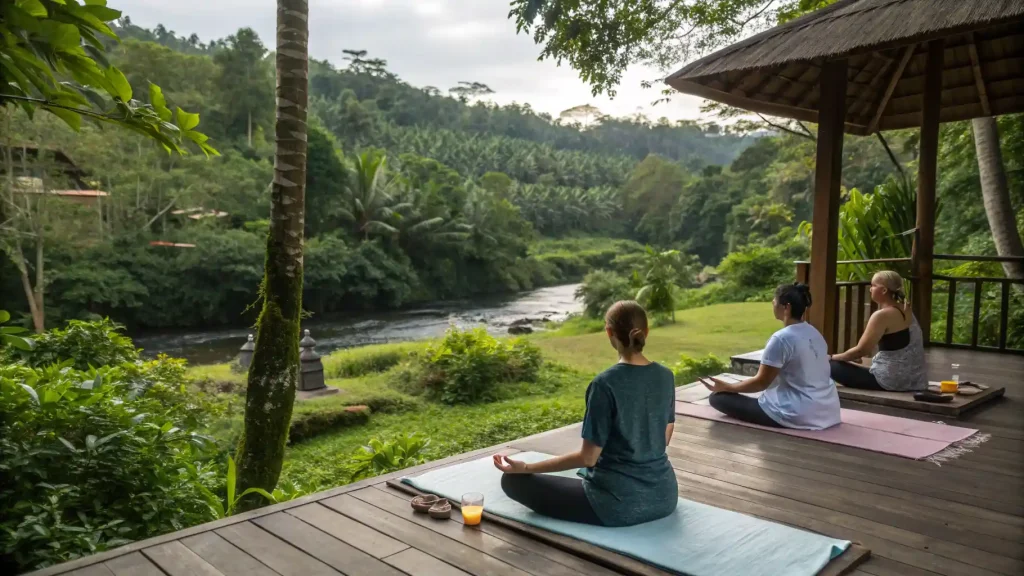
Indonesia’s medical and wellness tourism market is projected to reach USD 7.9 billion in 2026 and USD 20.6 billion by 2035, growing at an 11.3% CAGR. Lombok is a rapidly expanding wellness hub, offering a nature-centric and lower-cost alternative to Bali, supported by strategic incentives and substantial tourism growth.
Lombok Wellness Retreat Trends: What’s New in Detox, Nature Walks, and Surfing Therapies
As the wellness sector in Indonesia continues its robust expansion, Lombok is solidifying its position as a significant destination for restorative programs. Indonesia’s medical and wellness tourism market is forecast to reach USD 7.9 billion in 2026 and USD 20.6 billion by 2035, demonstrating an 11.3% compound annual growth rate. Wellness tourism, distinct from medical tourism, dominates this market, accounting for 89.6% in 2025 and projected to reach USD 18.8 billion by 2035 with an 11.5% CAGR. Key wellness destinations include Bali, Yogyakarta, Lombok, and Ubud, all recognised for their luxury wellness resorts, spiritual retreats, and eco-therapy options catering to diverse visitors.
While Bali-based resorts currently lead the segment, Lombok is emerging as a dynamic, fast-growing wellness hub. It presents a nature-driven and more accessible alternative, underpinned by Special Economic Zone (SEZ) incentives and strong tourism growth. Global wellness tourism reached USD 990.4 billion in 2025 and is projected to grow from USD 1,085.6 billion in 2026 to USD 2.4 trillion by 2035, at a 9.3% CAGR. The global wellness retreat market, a subset, is estimated at USD 273.15 billion in 2026, projected to reach USD 398.99 billion by 2030, with a 9.9% CAGR. The broader wellness economy reached USD 6.8 trillion in 2024 and is expected to grow 7.6% annually to USD 9.8 trillion by 2029.
Lombok’s Tourism Growth and Wellness Contribution
Lombok’s visitor numbers have shown consistent growth, from approximately 1.6 million in 2014 to over 3.6 million in 2024, including 0.43 million foreign visitors. This recovery follows challenges posed by the 2018 earthquake and the global pandemic. Projections indicate Lombok could reach 2.8 million visitors by 2026 and 3.4 million by 2027, with foreign visitor numbers potentially reaching 0.55 million in 2026 and 0.65 million in 2027. The Mandalika SEZ, covering 1,175 hectares, is a primary driver for tourism and investment, particularly around MotoGP events and related infrastructure. The presence of international hotel brands such as Pullman, Novotel, and Paramount, alongside local boutique properties, indicates increasing capacity and appeal.
Lombok’s wellness tourism segment is estimated to grow at a CAGR of 15-20% through 2027, from a smaller base compared to Bali. This growth is supported by a focus on sustainable and nature-based experiences. Retreats in Lombok often integrate elements of local culture and natural landscapes, appealing to those seeking authentic restorative experiences. The average length of stay for wellness tourists in Lombok is approximately 5-7 days, with an average spend of USD 200-400 per person per day on programs and related services, excluding accommodation. This positions Lombok as a competitive option for wellness travellers seeking value without compromising on quality.
Detox Programs: Innovations and Efficacy
Detoxification programs in Lombok are evolving beyond traditional juice fasts to incorporate more comprehensive approaches. Current trends for 2026-2027 include personalised nutrition plans, advanced diagnostic testing, and integration of local herbal medicine. Retreats are increasingly offering pre- and post-detox consultations to ensure sustained benefits. For instance, some programs now include gut microbiome analysis to tailor dietary interventions, focusing on restoring gut health as a core component of systemic detoxification. This scientific approach is attracting individuals seeking evidence-based wellness solutions.
Specific Detox Modalities
- Personalised Nutritional Genomics: Retreats are beginning to offer genetic testing to identify individual metabolic pathways, allowing for highly customised dietary and supplement protocols. This moves beyond generic detox diets to target specific genetic predispositions for toxin elimination.
- Ayurvedic Panchakarma Principles: While not purely Ayurvedic, many Lombok retreats are integrating modified Panchakarma techniques, such as abhyanga (oil massage) and svedana (herbal steam therapy), to support the body’s natural detoxification processes, adapted for a shorter retreat duration.
- Mind-Body Detoxification: Programs now commonly include daily meditation, breathwork, and gentle yoga sessions specifically designed to reduce stress, which is recognised as a significant factor in toxin accumulation and overall physiological burden.
- Digital Detox Integration: A growing number of detox programs mandate periods of digital disconnection, recognising the impact of constant digital engagement on mental clarity and stress levels. Designated tech-free zones and scheduled digital breaks are common features.
The efficacy of these programs is often measured through participant feedback on improved energy levels, better sleep quality, and reductions in inflammatory markers, where follow-up testing is offered. Lombok’s natural environment, free from urban pollution, enhances the detox experience, allowing for deeper cellular regeneration.
Nature Walks: Therapeutic Engagement with Lombok’s Landscape
Nature walks in Lombok are transforming from simple excursions into structured therapeutic experiences. These are designed to leverage the island’s diverse ecosystems—from pristine beaches and verdant rice paddies to lush rainforests and volcanic foothills. The focus for 2026-2027 is on ‘forest bathing’ (Shinrin-yoku) adapted to Lombok’s tropical setting, guided sensory walks, and mindfulness exercises conducted outdoors. These activities aim to reduce stress, improve mood, and foster a deeper connection with the natural world.
Enhanced Nature Walk Experiences
- Guided Shinrin-yoku: Expert guides lead participants through designated forest trails, encouraging mindful engagement with the environment through sensory awareness exercises. This includes focusing on sounds, scents, and textures of the forest.
- Eco-Therapy Circuits: Specific routes are being developed that integrate physical activity with mental restoration. These circuits might include stops for guided meditation, journaling, or art therapy sessions within natural settings.
- Coastal & Mountain Treks: Programs offer varying levels of intensity, from gentle beach strolls at sunrise to more challenging treks up Rinjani’s foothills, each designed to provide specific physiological and psychological benefits. For example, coastal walks often incorporate breathwork to utilise the fresh sea air.
- Local Flora & Fauna Education: Walks are often accompanied by local naturalists who provide insights into Lombok’s biodiversity, enhancing the educational aspect and fostering a sense of stewardship.
These nature-based therapies are particularly appealing to urban dwellers seeking respite and a reconnection with fundamental natural rhythms. The consistent feedback points to significant reductions in perceived stress and improvements in overall well-being. A 2027 note indicates that several Lombok retreats are planning to introduce night-time nature walks, leveraging the unique sensory experience of the tropical forest after dark, complete with stargazing and nocturnal soundscapes, further diversifying the therapeutic offerings.
Surfing Therapies: Physical and Mental Restoration through Waves
Surfing therapy is gaining traction in Lombok, moving beyond recreational activity to a recognised form of physical and mental rehabilitation. Lombok’s consistent waves and warm waters provide an ideal setting for these programs. For 2026-2027, trends include structured surf lessons combined with mindfulness practices, breathwork, and ocean meditation. These therapies are particularly effective for improving physical balance, core strength, and mental resilience, as well as reducing anxiety.
Components of Surfing Therapy
- Beginner-Friendly Instruction: Programs cater to all skill levels, with a strong emphasis on foundational techniques and ocean safety, ensuring accessibility for those new to surfing.
- Mindful Wave Riding: Instructors integrate mindfulness cues during surf sessions, encouraging participants to focus on the present moment, the rhythm of the waves, and their body’s movements. This transforms the physical act of surfing into a moving meditation.
- Post-Surf Recovery & Reflection: Sessions often conclude with guided stretching, breathwork, and group discussions to process the experience, fostering community and self-awareness.
- Ocean Immersion & Hydrotherapy: The therapeutic benefits of being in the ocean, including the negative ions and sensory input, are a core part of the experience, promoting relaxation and reducing inflammation.
Surfing therapy has shown promising results in improving self-esteem, reducing symptoms of PTSD, and enhancing overall physical fitness. Lombok’s less crowded surf breaks, compared to some areas in Bali, offer a more tranquil and focused environment for these therapeutic sessions.
Wellness Retreat Pricing and Value in Lombok (2026-2027)
Lombok’s wellness retreats offer competitive pricing, positioning the island as a value-driven alternative within the Indonesian wellness market. While Bali’s luxury retreats often command premium prices, Lombok provides high-quality experiences at a more accessible cost, typically 20-30% lower for comparable services.
| Retreat Type | Average Daily Rate (USD) | Typical Inclusions | Target Audience |
|---|---|---|---|
| Detox & Rejuvenation | $250 – $400 | Accommodation, personalised meals, daily treatments, yoga, meditation, consultations | Individuals seeking internal cleansing and vitality boost |
| Nature & Mindfulness | $200 – $350 | Accommodation, plant-based meals, guided nature walks, forest bathing, meditation, workshops | Nature enthusiasts, stress reduction seekers |
| Surf & Wellness | $280 – $450 | Accommodation, healthy meals, daily surf lessons, yoga for surfers, breathwork, massage | Active travellers, those seeking physical and mental resilience |
| Holistic & Spiritual | $300 – $500 | Accommodation, organic meals, diverse therapies (e.g., sound healing, reiki), cultural excursions, coaching | Individuals on a spiritual journey, seeking holistic balance |
These rates are indicative for 2026-2027 and typically include all programmed activities, meals, and accommodation in boutique settings. The value proposition is strong due to the quality of instruction, personalised attention, and the serene, natural environment that Lombok provides. Foreign visitors, who constitute a significant portion of Lombok’s tourism, find these prices attractive given the comprehensive nature of the programs.
The Future of Wellness in Lombok
Lombok’s wellness sector is on a trajectory of sustained growth, driven by increasing visitor numbers and strategic development. The island’s inherent natural beauty, combined with focused investment in quality wellness offerings, ensures its appeal. The emphasis on nature-based therapies, personalised programs, and authentic cultural integration will continue to differentiate Lombok in the competitive wellness tourism market. With an projected 15-20% CAGR for its wellness tourism segment through 2027, Lombok is poised to become an even more prominent destination for those seeking genuine restoration and well-being.
Considering a restorative program in Lombok? We curate bespoke wellness retreats tailored to your specific needs, focusing on detox, nature immersion, and therapeutic activities. Request a retreat consultation on WhatsApp to discuss your ideal wellness journey.